
 Svenska
Cart
Your cart is empty, but doesn't have to be..
Hälla Kafferosteri |9/10, 2026
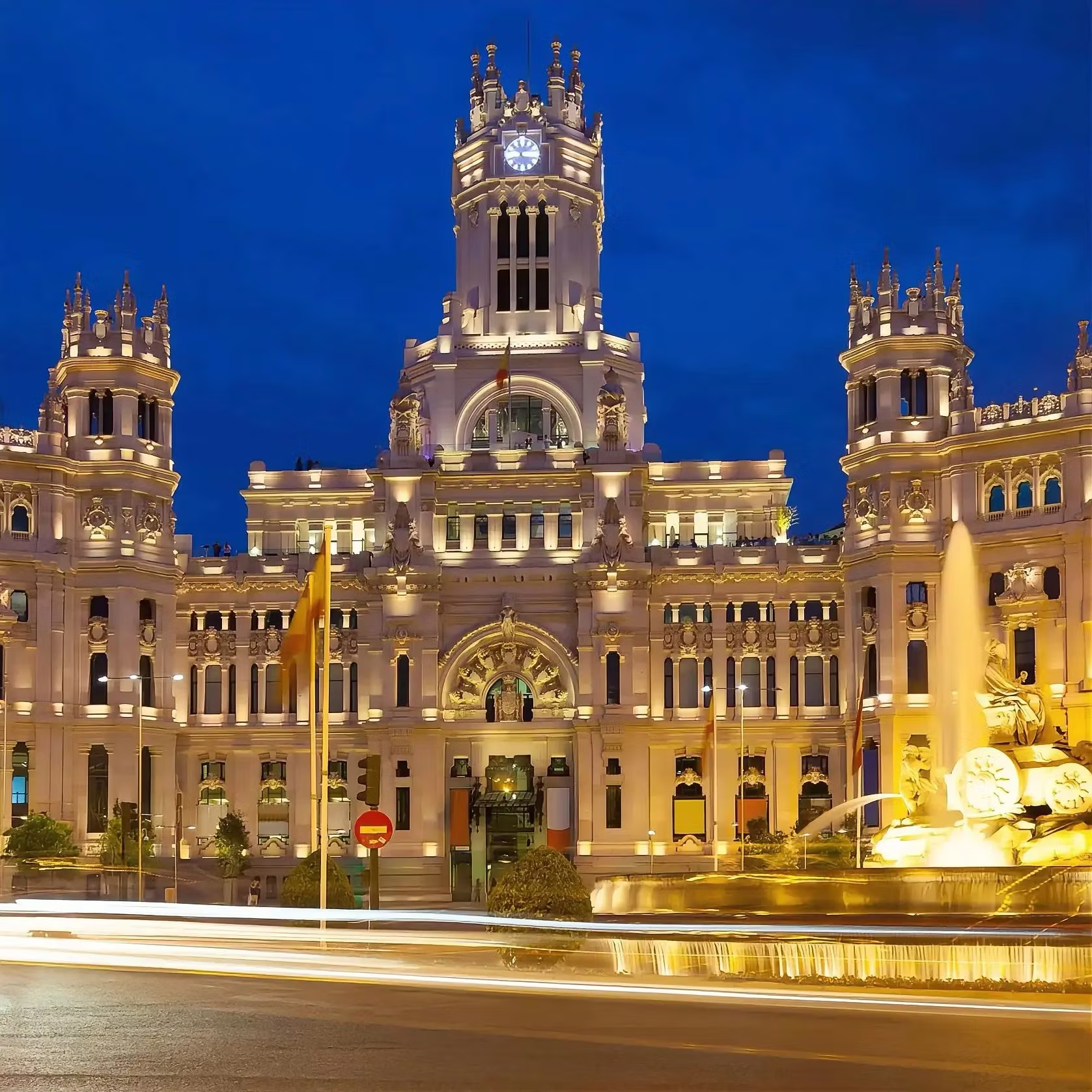
Spain is known for its relaxed pace of life, its tapas and its strong culture of drinking coffee outdoors in bars and cafes. But unlike its European neighbours, Spain’s coffee market has undergone a unique journey. From the historic tradition of sugar-roasted coffee to an emerging wave of world-class micro-roasteries, here’s everything you need to know about Spanish coffee culture.
👉 Do you want to learn more about coffee?
https://hallakafferosteri.com/blogg/guide
Coffee has been drunk in Spain since the 18th century, when the first coffee house opened in Madrid in 1765. During the early 20th century, and especially after the Spanish Civil War (1936–1939), the country was characterized by coffee rationing and a shortage of high-quality coffee beans.
To preserve the beans longer and hide defects in lower quality coffee, the torrefacto method was born.
Sugar during roasting: In torrefaction roasting, sugar is added at the end of the roasting process.
Dark and bitter: The sugar forms a shiny, black surface around the bean. This increases the weight of the bean, delays oxidation, but also gives a very dark and bitter taste to the coffee.
Although torrefacto has now disappeared from most modern cafes, traditional sugar-roasted coffee still accounts for around 12.5% of coffee consumption in the country and is still present in many supermarket blends. This strong tradition has meant that consumers' taste buds have been slower to adapt to light-roasted and complex coffees.
Drinking coffee on the go is a central part of everyday Spanish life. According to surveys, 80% of Spanish consumers drink hot coffee daily, and over 90% drink it at least once a week. In addition, over 80% buy from independent cafes.
When Spaniards order coffee over the counter, it is espresso and its milk-based relatives that dominate overall:
Café con leche: Espresso with hot milk.
Cortado: Espresso "cut" with a small amount of hot milk.
Café solo: A pure espresso.
However, in the home, coffee capsules dominate, accounting for around 60% of retail value. But here too, change is beginning to be seen as more consumers turn to whole beans and better brewing methods.
While countries in Northern Europe and the English-speaking world embraced the specialty coffee culture (third wave coffee) as early as the early 2000s, it took longer in Spain. It was only around 2014 that the movement really took off in big cities like Barcelona and Madrid.
Since the pandemic, developments have accelerated rapidly. Events like CoffeeFest Madrid (starting in 2023) and national barista competitions have significantly increased consumer knowledge and curiosity.
Today, Spain has grown to become Europe's seventh largest market for branded coffee shops, overtaking countries like Poland. Prominent Spanish roasteries, such as Nomad Coffee in Barcelona and Cafés My Way , are now internationally acclaimed.
"Twelve years ago, when Nomad opened its doors, we were selling about seven or eight cups of coffee a day. But through constant communication and by serving great coffee, people started to realize that specialty coffee is far superior to commercial coffee or torrefacto."
— Francisco Gonzalez , coffee manager and co-owner at Nomad Coffee.
Spain has a unique competitive advantage over many other European coffee countries – the common language with coffee-producing countries in Latin America.
As Sergio Robles, CEO of Cafés My Way, explains, the common language and cultural similarities make it significantly easier for Spanish micro-roasteries to:
Build direct, long-term relationships with coffee farmers.
Create Direct Trade with full traceability from coffee farm to cup.
With enormous tourism – with Spain on the verge of becoming the world's most visited country – the demand for high-quality coffee is increasing further. Both international café chains and local specialty coffee breweries are growing.
For specialty coffee to continue to gain traction, industry experts point to the importance of education and clarity . By de-dramatizing filter coffee, explaining the coffee's origins, and offering clear quality at a reasonable price, the Spaniards are replacing old bitterness with complex, flavorful cups.
👉 You can find our entire coffee range here:
https://hallakafferosteri.com/
Have a nice day!
/ Kaj and Dan, Hälla Coffee Roastery