
 Svenska
Cart
Your cart is empty, but doesn't have to be..
Your cart is empty, but doesn't have to be..
Hälla Kafferosteri |12/12, 2024
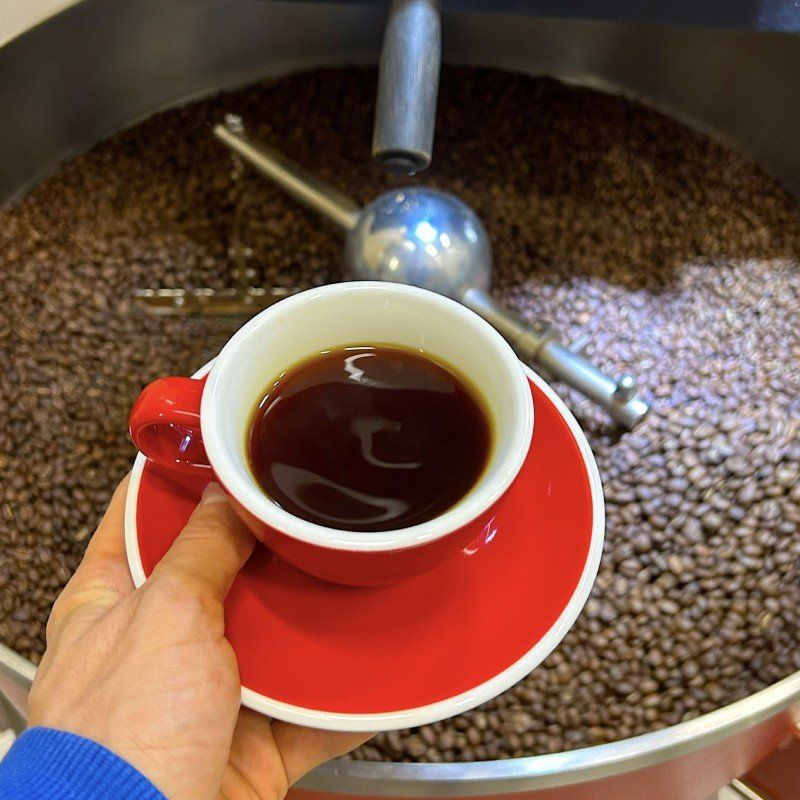
What is Specialty Coffee? A Deep Dive into the World of Quality Coffee
The world of coffee has changed dramatically in recent decades, and with the growing demand for high-quality coffee, the concept of specialty coffee has become increasingly popular. But what exactly does specialty coffee mean? What sets it apart from regular coffee, and why is it so sought after? In this comprehensive guide, we will explain what specialty coffee is, how it is produced, and why it has become a favorite among coffee lovers all over the world.
What is Specialty Coffee?
Specialty coffee refers to coffee of exceptional quality produced under specific, carefully controlled conditions. To qualify as specialty coffee , a coffee must meet strict criteria for flavor, origin, processing, and roasting. Unlike mass-produced coffee, which often prioritizes quantity over quality, specialty coffee focuses on flavor, sustainability, and traceability throughout the production chain.
Origin and Definition of Specialty Coffee
Specialty coffee is defined not only by taste but also by a scoring system carried out by certified Q-graders . For a coffee to be classified as specialty coffee , it must achieve at least 80 points out of 100 on this scale. The term " specialty coffee " was coined in the 1970s by coffee expert Erna Knutsen, and since then it has become a standard for judging coffee of exceptional quality.
What makes Specialty Coffee special?
What really sets specialty coffee apart from other coffees is its unique characteristics and the carefully monitored process throughout the production chain. Here are the key factors that make specialty coffee so special:
1. Origin and growing conditions
Specialty coffee often comes from specific regions known for their unique microclimates, which affect the flavor profile of the coffee bean. Countries such as Ethiopia , Kenya , Colombia , Guatemala , and Costa Rica are well-known for producing coffee of exceptional quality. Each location has its own unique location, meaning that the soil, altitude, weather, and other environmental factors give the coffee a unique flavor.
The coffee from these regions is grown under sustainable and responsible methods, where small-scale growers can focus on quality over quantity.
2. Coffee Bean Quality
For a coffee to be classified as specialty coffee , the beans must be of the highest quality. This means that the origin and harvest of each bean must be carefully monitored. Often, the coffee berries are hand-picked when they are fully ripe, ensuring that only the best beans are used. These beans are free from defects that can negatively affect the taste.
3. Processing and Preparation
After harvest, the pulp of the coffee berries must be properly removed to reveal the fine beans. There are different methods of processing, including wet processing , dry processing , and semi-dry processing , and each method gives the coffee a unique flavor. Specialty Coffee / Speciality Coffee producers are extremely careful with every step of the processing to retain the best qualities of the beans.
4. Roasting Specialty Coffee
Roasting is a critical part of the process where coffee beans develop their flavors. Specialty coffee roasters carefully roast the coffee, ensuring that the natural flavors of the coffee's origin are brought out in the best possible way. It's all about finding the perfect balance between temperature , time and roasting technique to maximize the flavor experience.
5. Brewing and Flavor Profile
The brewing method has a big impact on the end result, and to truly appreciate specialty coffee , precision is required. Common brewing methods include pour-over , aeropress , espresso and french press , and each has its advantages depending on the flavor profile you want to achieve. Specialty coffee can have a variety of flavors, from fruity and floral notes to chocolatey and spicy flavors, depending on the origin and processing.
Flavor Profiles in Specialty Coffee
Specialty coffee is known for its complex and multifaceted flavors. Some common flavor notes that are often found in specialty coffee include:
Specialty Coffee / Specialty Coffee and Sustainability
A large part of the specialty coffee movement is about sustainability and fairness for both coffee farmers and the environment. Many specialty coffee producers use organic or biodynamic methods and pay their workers fair wages. By supporting small-scale producers and workers , specialty coffee promotes a more ethical and sustainable coffee industry.
How to Drink Specialty Coffee
To truly appreciate the complex flavor of specialty coffee, you should be aware of the brewing method. Here are some tips for brewing your own specialty coffee :
Why Specialty Coffee?
So why choose specialty coffee ? It’s not just about getting a great cup of coffee – it’s a journey of taste, history and sustainability. Specialty coffee is about supporting small-scale producers, experiencing different flavors from around the world and enjoying coffee that has been created with passion and care. Whether you’re a coffee enthusiast or just want to try something new, specialty coffee will take your coffee experience to the next level.
Summary
Specialty coffee is a quality product that focuses on taste, origin, sustainability and responsible production. Through careful selection of growing location, processing, roasting and brewing, specialty coffee offers an experience that goes far beyond regular coffee. Whether you are a coffee connoisseur or a beginner, specialty coffee will open up a world of taste and new experiences. So the next time you are looking for an exceptional cup of coffee, try specialty coffee and enjoy the rich, multifaceted taste of a perfectly brewed cup.
Frequently Asked Questions about Specialty Coffee