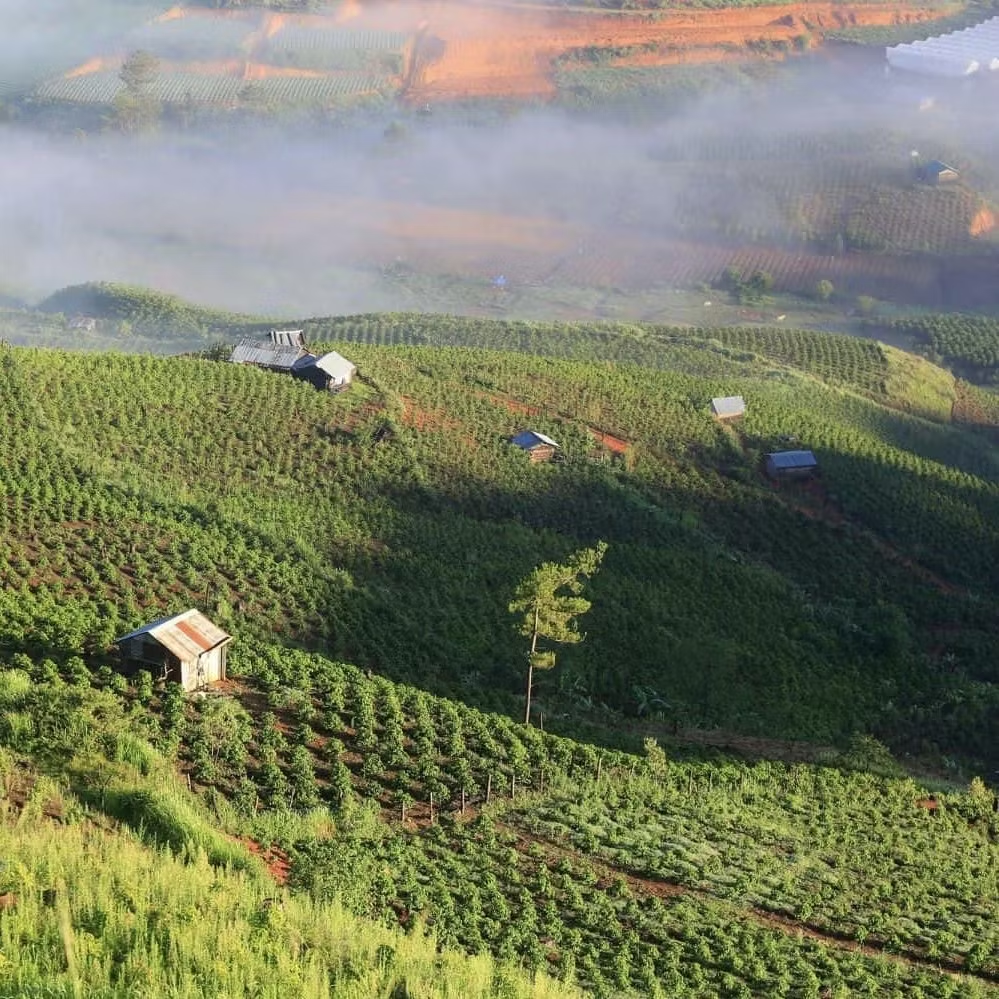
Indonesia is known for its exotic beaches, lush rainforests and unique cultures. But there is something else that makes this island nation a true paradise for coffee lovers - their special coffee. With a fascinating variety of processing methods and growing regions, Indonesia offers a world of flavors and aromas for the discerning coffee enthusiast.
Indonesia is blessed with an ideal geographical location for coffee cultivation, with its mountainous landscapes and volcanically rich soils. The main regions include Sumatra, Java, Bali and Sulawesi. Each region has its own unique characteristics that influence the taste and character of the coffee grown there.
- Sumatra: Sumatran coffee is known for its full body and low acidity. The coffee beans are grown at high altitudes and produce an earthy, spicy and sometimes nutty flavor profile. The most famous variety from Sumatra is Mandheling, whose dark roast produces a sweet and smoky flavor.
- Java: Java has a long history of coffee growing and is known for its rich and balanced coffee. Coffee from Java often has a distinct chocolate note and a mild acidity. This is due in part to the abundant rainfall and rich soil that allows farmers to produce high-quality coffee.
- Bali: Coffee farming in Bali is relatively new compared to other regions in Indonesia. Coffee here is mostly grown on small farms and produced in a sustainable manner. Balinese coffee has a mild and clean flavor profile with notes of citrus fruit and spices.
- Sulawesi: Sulawesi coffee, also known as Toraja coffee, is grown in the highlands around the Toraja mountain range. The coffee is characterized by its deep body, light acidity, and rich flavors of herbs and spices. Sulawesi is also known for its unique drying method called "giling basah", where the coffee beans are dried with their pulp remaining.
In addition to the growing regions, processing methods are crucial to creating Indonesia's unique coffee. Here are some of the most common methods used:
- Dry process: The dry process, also known as the natural process, is a traditional method in which the coffee beans are dried with the pulp remaining. This method often gives the coffee a fruity and sweet flavor profile. The dry process is popular in regions such as Sumatra and Sulawesi.
- Wet process: The wet process, also known as the washed process, involves removing the coffee beans from the pulp and fermenting them before drying. This method results in coffee with a cleaner flavor profile and higher acidity. The wet process is used in regions such as Java and Bali.
- Semi-wet process: The semi-wet process is a hybrid of the dry process and the wet process. In this method, some of the pulp is removed from the beans before they are fermented and dried. This method is often used to produce coffee with unique flavors and aromas.
Indonesia is truly a treasure trove for coffee lovers, with its diverse processing methods and growing regions creating a variety of unique flavors and aromas. From the rich and earthy Mandheling coffee from Sumatra to the balanced and chocolaty Java coffee, Indonesian coffee offers a fascinating journey through the world of flavors. And it is not only the taste that makes these coffees special, but also the rich culture and history that surrounds coffee production in Indonesia. If you are interested in trying Indonesian coffee, we mix it into our Espresso Blend! There you can clearly feel the spicy and full-bodied notes of Sumatra!
Best regards,
Roaster Dan

 Svenska